
Uncategorized
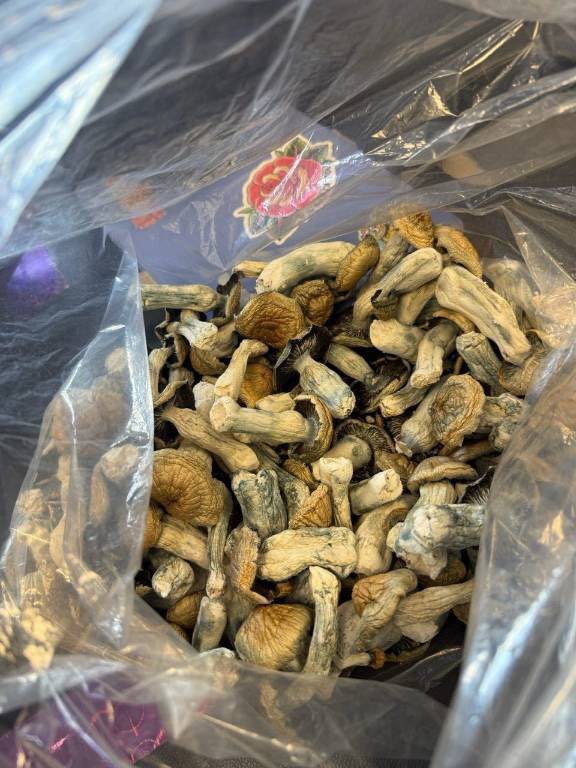
African Transkei Magic Mushrooms
Oct
African Transkei Mushroom: Origin, Characteristics, Taxonomy and Research
Introduction to the African Transkei Mushroom
The African Transkei mushroom appears in discussions about fungal diversity, regional naming, and mushroom taxonomy. Some mushroom references associate this name with the Psilocybe cubensis group. However, the name alone cannot confirm a specimen’s identity or origin.
Understanding this mushroom requires more than examining its name. Researchers also consider scientific classification, physical characteristics, environmental context, and reliable identification methods. In addition, they distinguish informal strain names from formally recognized species.
What Is the African Transkei Mushroom?
Some mushroom-related sources use African Transkei as a strain or variety name. However, mycologists distinguish these informal labels from formal scientific classifications.
The scientific name Psilocybe cubensis appears in established fungal taxonomic databases. Nevertheless, a commercial name cannot establish a specimen’s exact identity, genetic characteristics, or chemical composition.
Researchers therefore examine documented specimens and consult qualified specialists when they need reliable identification. Where appropriate, they also use molecular methods to investigate relationships between fungal specimens.
Understanding Mushroom Characteristics
Mushrooms display different characteristics depending on their genetics, developmental stage, and environment. For this reason, mycologists examine several features when documenting fungal specimens.
Physical Appearance
Researchers record features such as cap shape, cap colour, stem structure, gill arrangement, and spore characteristics. These observations help describe a specimen. However, appearance alone cannot always establish its species.
Scientific Classification
Scientific names help researchers communicate clearly about fungal organisms. For example, the National Center for Biotechnology Information maintains a taxonomy database that includes Psilocybe cubensis.
Moreover, accurate classification helps researchers distinguish verified scientific information from informal names used by suppliers or mushroom communities.
Regional Naming and Taxonomic Research
Regional names sometimes reflect historical associations, local traditions, or commercial naming practices. However, a regional name does not necessarily prove that a mushroom originated in that location.
As mycological research advances, scientists continue to investigate fungal diversity and relationships between species. Consequently, reliable identification records remain important for both research and education.
Why Mushroom Identification Matters
Accurate identification helps researchers avoid confusion between species that may look similar but have different biological properties.
For example, a study in Applied and Environmental Microbiology examined problems involving the identification of specimens labelled as Psilocybe. Such findings highlight the limitations of relying exclusively on photographs, common names, or supplier descriptions.
Therefore, researchers should consult qualified mycologists and use appropriate identification methods when they need dependable results.
Scientific Research and Psilocybin-Associated Mushrooms
Some species in the genus Psilocybe contain psychoactive compounds such as psilocybin and psilocin. Scientists investigate these compounds to understand their chemistry and biological effects.
However, researchers cannot reliably determine a specimen’s chemical composition from its name or appearance alone. Instead, they need appropriate analytical methods and verified specimens.
Furthermore, findings from one study do not automatically apply to every mushroom sold under a similar name. Researchers must consider the identity of each specimen and the limitations of the available evidence.
Safety and Legal Considerations
Psilocybin-associated mushrooms can cause unpredictable psychological and physical effects. In addition, misidentifying wild mushrooms can lead to serious poisoning.
Legal requirements also vary between jurisdictions. Depending on the location, authorities may regulate particular substances, specimens, or activities differently. Therefore, readers should consult current official sources before making decisions involving these mushrooms.
This article provides educational information about taxonomy and mycological research. It does not offer medical advice or encourage the consumption of psychoactive mushrooms.
Frequently Asked Questions
What is the African Transkei mushroom?
African Transkei is a name that some mushroom-related sources associate with the Psilocybe cubensis group. However, researchers cannot confirm a specimen’s exact identity from this name alone.
Is African Transkei a formally recognized mushroom species?
The name generally appears as an informal strain or variety label rather than a separate, formally established species name. Therefore, researchers need appropriate evidence to establish a specimen’s identity.
How do researchers identify mushroom species?
Researchers examine physical and microscopic characteristics, review specimen records, and sometimes use DNA analysis. By combining these methods, they can develop a more reliable understanding of fungal identity.
Does the name guarantee a particular chemical composition?
No. A commercial or informal name does not establish a specimen’s chemical composition. Instead, researchers need appropriate laboratory analysis to investigate its chemical properties.
Why is accurate mushroom identification important?
Accurate identification supports reliable scientific research. It also helps researchers distinguish species with different biological properties and reduces the risks associated with misidentification.
Conclusion
The Af
