
Uncategorized
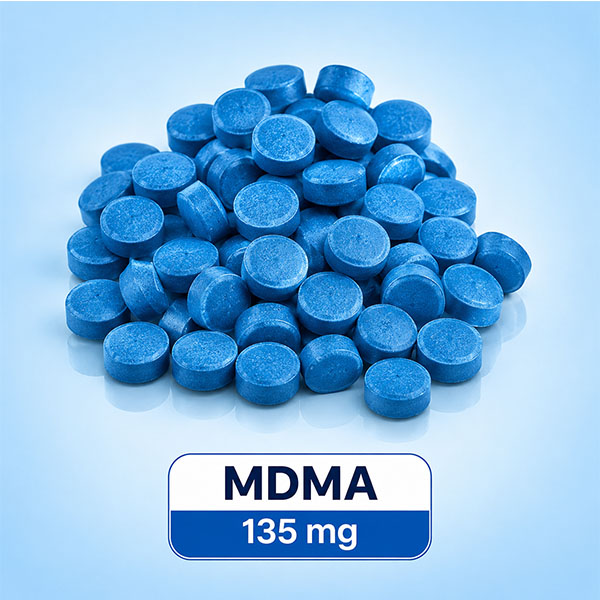
Buy MDMA Ecstasy | Pure MDMA 135mg pills
Nov
MDMA Ecstasy 135mg Pills: Understanding MDMA, Characteristics and Safety Risks
MDMA, commonly known as ecstasy or Molly, is a synthetic psychoactive substance that affects brain chemistry and the central nervous system. It is commonly discussed in connection with nightlife, music festivals and recreational drug use.
Understanding MDMA, its chemical properties, possible effects and associated health risks is important when researching substances marketed as ecstasy pills.
What Is MDMA Ecstasy?
MDMA stands for 3,4-methylenedioxymethamphetamine. It is a synthetic psychoactive substance that can affect mood, energy, perception and emotional responses.
Ecstasy is commonly associated with tablet or pill forms, while MDMA may also appear in powder or crystal forms. However, the appearance or advertised strength of a product cannot confirm its actual chemical composition.
Understanding MDMA 135mg Claims
Some products marketed online use strength descriptions such as 135mg. However, advertised quantities should not be treated as independently verified laboratory results.
The actual contents of illicit ecstasy tablets can vary, and some may contain additional substances that increase health risks.
Potential Effects and Health Risks
MDMA can affect the cardiovascular system and body temperature regulation.
Potential effects include:
-
Increased heart rate and blood pressure.
-
Increased body temperature.
-
Jaw clenching and teeth grinding.
-
Nausea and sweating.
-
Anxiety, confusion and panic.
-
Dehydration and overheating.
Serious complications can include seizures, organ damage and potentially fatal overdose.
NHS inform+2
Why Drug Composition Matters
Products marketed as ecstasy may contain different substances or unexpected ingredients. Their appearance, packaging and advertised strength cannot establish purity or safety.
Canada+1
Conclusion
Learning about MDMA requires understanding its chemical properties, potential effects and associated health risks. Reliable scientific information and public-health guidance are important when evaluating claims about products marketed as ecstasy.
